
VIBE VAULT: I'll have everything, please.
Thoughts on music tastes in the internet age

Yesterday I flipped through my own Spotify and came to a jarring realization: my playlists show very little in the way of a cohesive identity.
Sure, when you flip through the songs I’ve chosen to collect, there are nuggets that you can pick up about me. You can tell I generally like hip hop and house music from about a third of what I listen to. You can pick up that I’m probably in my twenties and lean towards a more energetic sound. Beyond that, there isn’t much to pin down to a specific taste or hard preference.
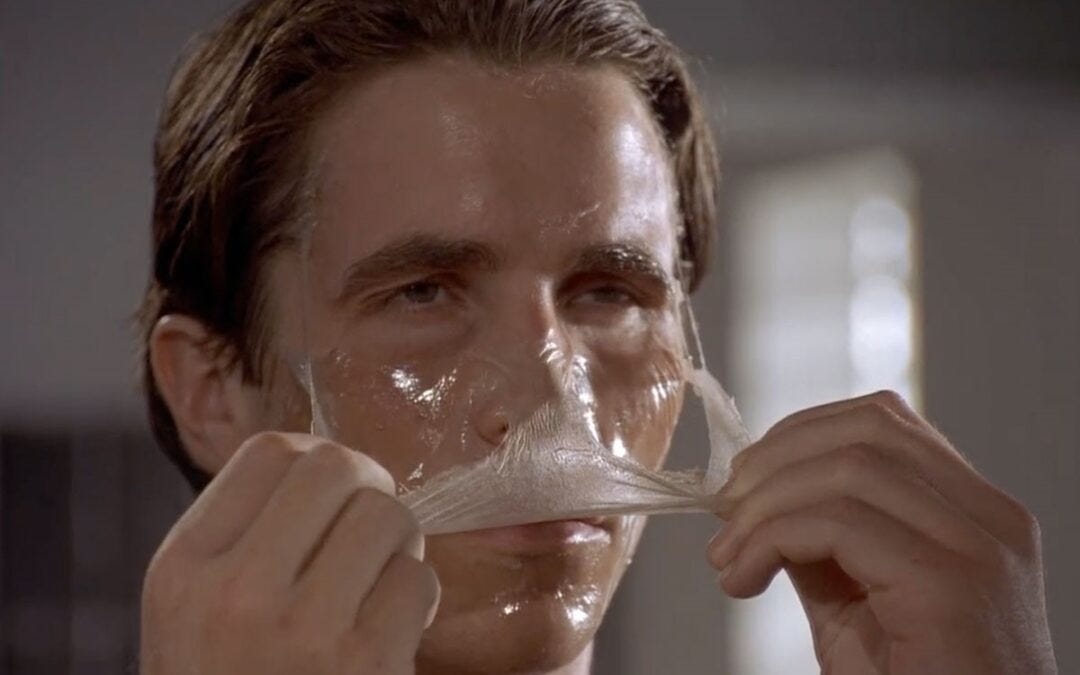
Before you associate my conclusion with some bizarre Patrick Bateman-esque rant, I’d like to add that in my experience, this lack of a singular, identifiable consumption profile is the case for most of my age group. The things that we listen to, the genres that we consume, have fractured themselves into a million pieces.
The playlists I’ve put together capture everything under the sun: the music I would listen to in the car with my parents on the way to school, music I imagine would play in an Ibiza lounge, Portuguese songs I like, Japanese songs I like, songs that play well in the shower, 2010s rap that my friends and I would bump in high school… you get the idea. Vibe curation by no means new; DJs, Producers, record labels, and radio stations have been doing it for decades. What’s new is the massive scale of curation Gen Z has been raised in. We’re witnessing a never-before-seen phenomena where everyone is their own DJ, on the ones and twos, with an infinite crate of records they can throw onto their turntables. With the internet, Pandora’s box was opened and Gen Z was given the gift and curse of being raised with essentially every song, movie and book ever written, all at once at any time, leading to the inevitable move from the monoculture towards vibe curation.
Punk rockers, hip hop heads, goths are being replaced by acolytes of different aesthetics; Y2K, alt, old money/quiet luxury, indie sleaze, dark academia, clean girl…
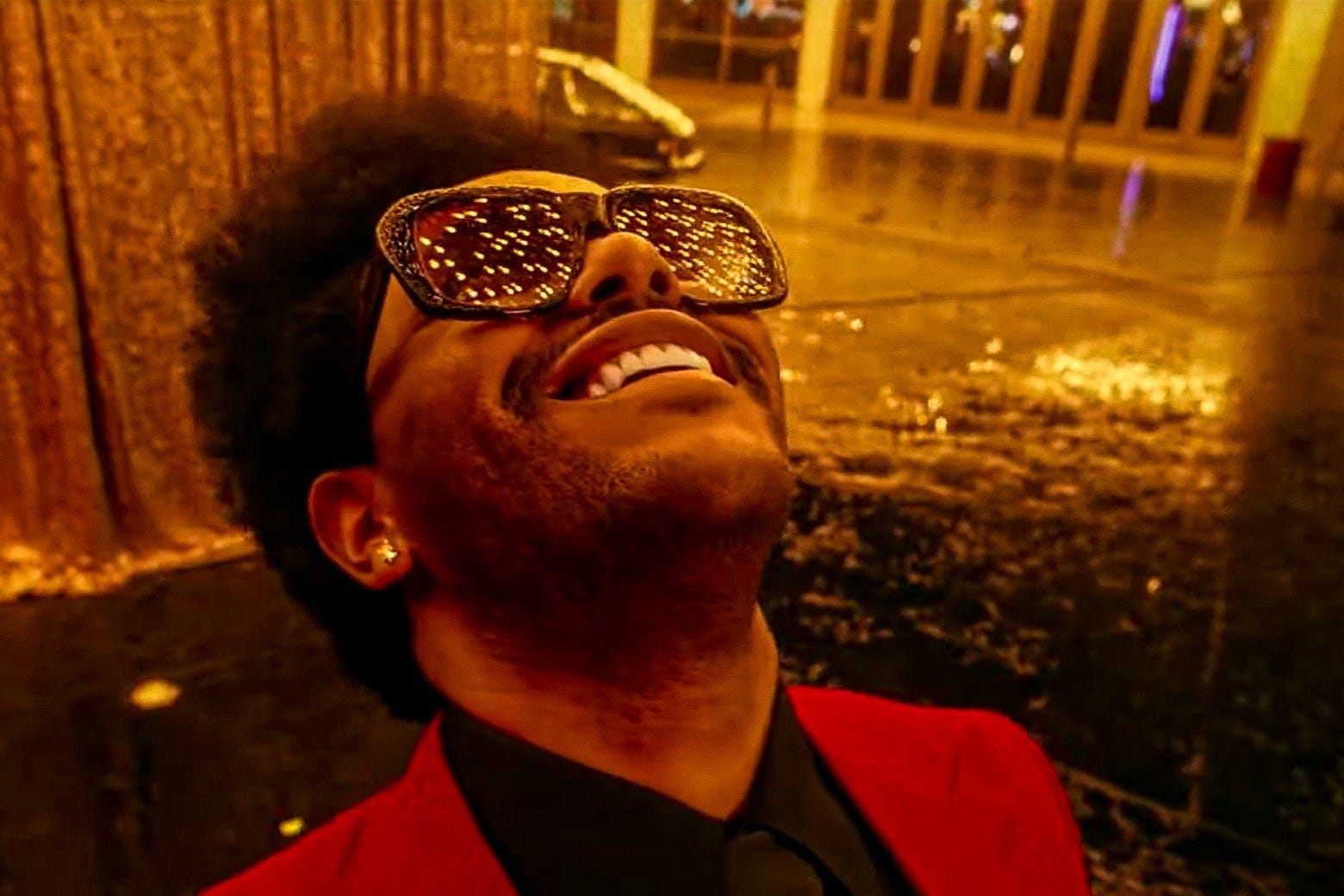
Most of the megastars that people are rallying around are relics of a time when people would purchase albums rather than pay a monthly fee for all the music ever. With things as they are, I’m not sure there’ll be another Taylor Swift, Michael Jackson, Beyoncé, or Whitney Houston. The tastes of the new generation of artists reflects this perfectly. In mainstream pop music, Sabrina Carpenter’s latest work pulls from 70s and 80s pop while Chari XCX presents her audience with a quicker, pitched up version of 2000s club bangers. The Weeknd seems to cloak himself in a new genre each album cycle, from the darker pop crossover R&B hits in Beauty Behind the Madness (2015), to the futuristic Daft Punk produced tracks on Star Boy (2016), and then sticking with the synthy sound but going further back in time the New Wave-inspired After Hours (2020).
Noticeable in both the artistic choices of relevant artists of today and their fans is an appreciation for the sounds of the past, which are getting a larger and larger share of young people’s time and attention. When I was in college, we listened to lots of “recession pop” at parties not because that was a different or alternative thing to do, but because it was the most exciting music to people who wanted to dance at the time. Before you had access to the internet, unless you really went looking for it, people wanted to listen to whatever was fresh and of the moment, which created the megastars discussed earlier along with the culture and collective dialogue that surrounded them. To listen to something ten years or older was bizarre, and left to the stoners and nerds.
As the lines blur and we watch as 60s psychedelic rock influences 90s inspired Dancehall tracks which bleed into Country, it seems that we’re at the part of the final act of a Christopher Nolan movie where where the camera pans out and time begins to slowly fold and cave in on itself, leaving us with a multitude of questions to consider which can simply boiled down to: what comes next?

Thanks for reading